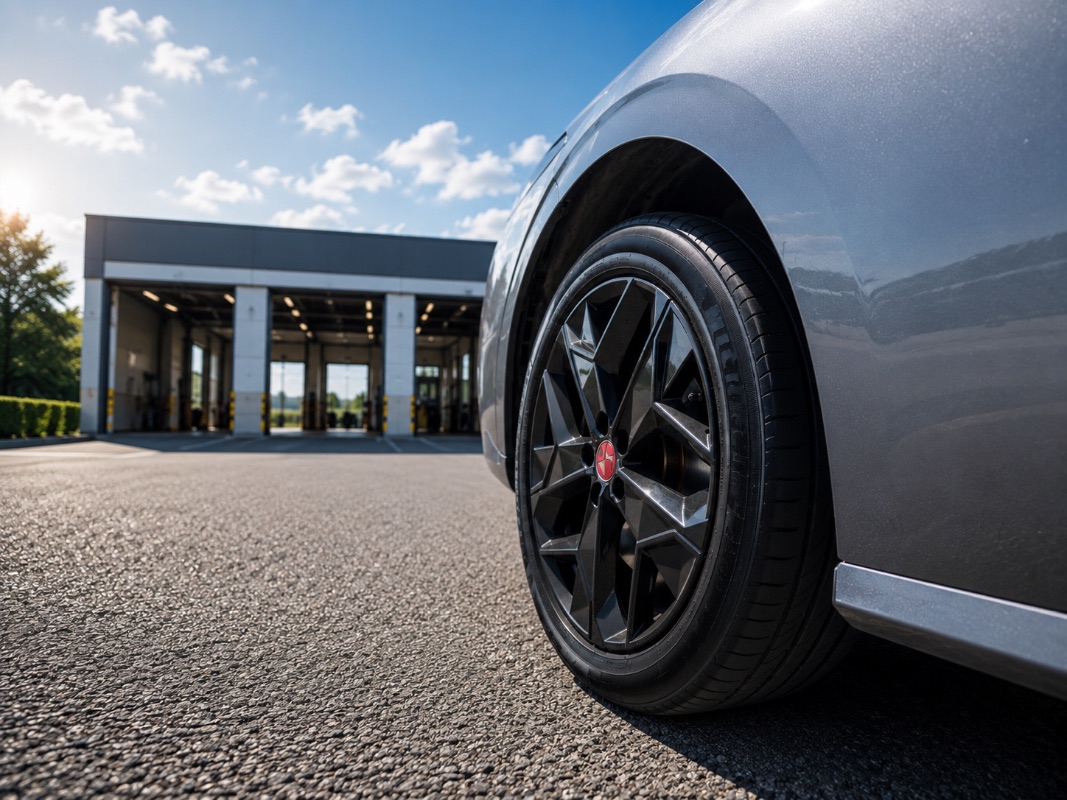
Summer tire care is one of the most important factors in ensuring the safety of both drivers and passengers. High road temperatures, long-distance travel, and increased driving during the summer months place greater stress on tires than at any other time of the year.
Proper tire maintenance helps extend tire life, improve fuel efficiency, and most importantly, enhance traction and overall road safety.
In this guide, you'll learn everything you need to know to keep your tires in excellent condition throughout the summer.
Why Is Summer Tire Maintenance So Important?
High temperatures increase the operating temperature of your tires, accelerating wear and reducing their lifespan. At the same time, tires that are not in optimal condition can significantly increase braking distances and reduce vehicle control.
Regular tire maintenance helps:
Maximize traction
Improve fuel efficiency
Extend tire lifespan
Enhance driving safety
Reduce the risk of accidents
Choose the Right Tires for Summer
Summer tires deliver optimal performance in temperatures above 7°C (45°F), providing superior grip, shorter braking distances, and improved cornering stability.
All-season tires, on the other hand, are a practical option for drivers who live in regions with mild weather year-round.
Important: All four tires on your vehicle should be of the same type and specifications, following the manufacturer's recommendations.
Check Tire Pressure Regularly
Maintaining the correct tire pressure is one of the most critical aspects of vehicle safety.
Underinflated tires can cause:
Increased fuel consumption
Tire overheating
Faster tread wear
Reduced vehicle stability
Overinflated tires can lead to:
Reduced traction
Uneven tire wear
Greater susceptibility to damage from potholes
Check your tire pressure at least once a month and always before a long trip, ensuring the tires are cold when measured.
Don't Forget the Spare Tire
Your spare tire is only useful if it's in good condition and properly inflated.
A quick inspection before every long journey can save you significant inconvenience in the event of a flat tire.
Rotate Your Tires
Regular tire rotation promotes even tread wear and extends tire life.
It is generally recommended every 8,000–10,000 km (5,000–6,000 miles) or according to your vehicle manufacturer's maintenance schedule.
Wheel Alignment and Balancing
If your vehicle:
Pulls to one side
Vibrates through the steering wheel
Shows uneven tire wear
it may require wheel alignment or balancing.
Proper wheel alignment protects both your tires and your steering system while improving driving comfort.
Inspect Tire Tread Depth
The tire tread channels water away from the road surface, reducing the risk of hydroplaning.
While the legal minimum tread depth in many countries is 1.6 mm, replacing your tires when tread depth approaches 3 mm is recommended for maximum safety, especially before summer road trips.
How to Identify Uneven Tire Wear
Your tire tread can reveal valuable information about your vehicle's condition.
Wear in the Center
Usually indicates overinflation.
Wear on Both Edges
Typically indicates underinflation.
Uneven or Diagonal Wear
May be caused by poor wheel alignment, suspension issues, or improper wheel balancing.
Inspect Tires for Damage
Regularly examine your tires for:
Cuts
Cracks
Bulges
Embedded foreign objects
Punctures
Exposed steel cords
Even minor damage can develop into a serious safety issue while driving.
Avoid Overloading Your Vehicle
Fully loaded trunks and heavy luggage place additional stress on your tires.
Before every trip, check your vehicle's Gross Vehicle Weight Rating (GVWR) and avoid exceeding the manufacturer's recommended maximum load.
Adjust Your Driving to Summer Conditions
Extreme heat, sudden summer storms, and slippery roads require extra caution.
For safer driving:
Avoid aggressive acceleration
Reduce speed during rainfall
Maintain greater following distances
Avoid driving through standing water whenever possible
Protect Your Tires from Potholes and Road Hazards
Potholes, nails, screws, and construction debris can cause damage that isn't always immediately visible.
Driving carefully significantly reduces the risk of premature tire wear and punctures.
When Should You Replace Your Tires?
Tire replacement depends on several factors:
Tread depth
Tire age
Visible damage
Manufacturer recommendations
Even if the tread appears adequate, it's advisable to have your tires professionally inspected after approximately four years of use.
Frequently Asked Questions (FAQ)
How often should I check my tire pressure?
At least once a month and always before any long-distance journey.
How often should tires be rotated?
Typically every 8,000–10,000 km (5,000–6,000 miles), or according to your vehicle manufacturer's maintenance schedule.
When should tires be replaced?
When the tread depth falls below recommended limits, visible damage is present, or the tires have reached the end of their service life.
Is checking the spare tire necessary?
Yes. Proper inflation and good overall condition are essential to ensure your spare tire is ready when you need it.
Conclusion
Proper summer tire maintenance is a simple yet essential part of responsible vehicle ownership. It improves safety, reduces maintenance costs, enhances fuel efficiency, and provides a more comfortable driving experience.
By regularly checking tire pressure, tread depth, wheel alignment, and the overall condition of your tires, you can travel confidently and enjoy every summer journey with greater peace of mind.